A Refill Is an Event in a Bottle’s History
Keep the object, the liquid and the refill date as separate parts of your collection record.
Published 2026-10-26 · Fragrentis editorial team2 min read
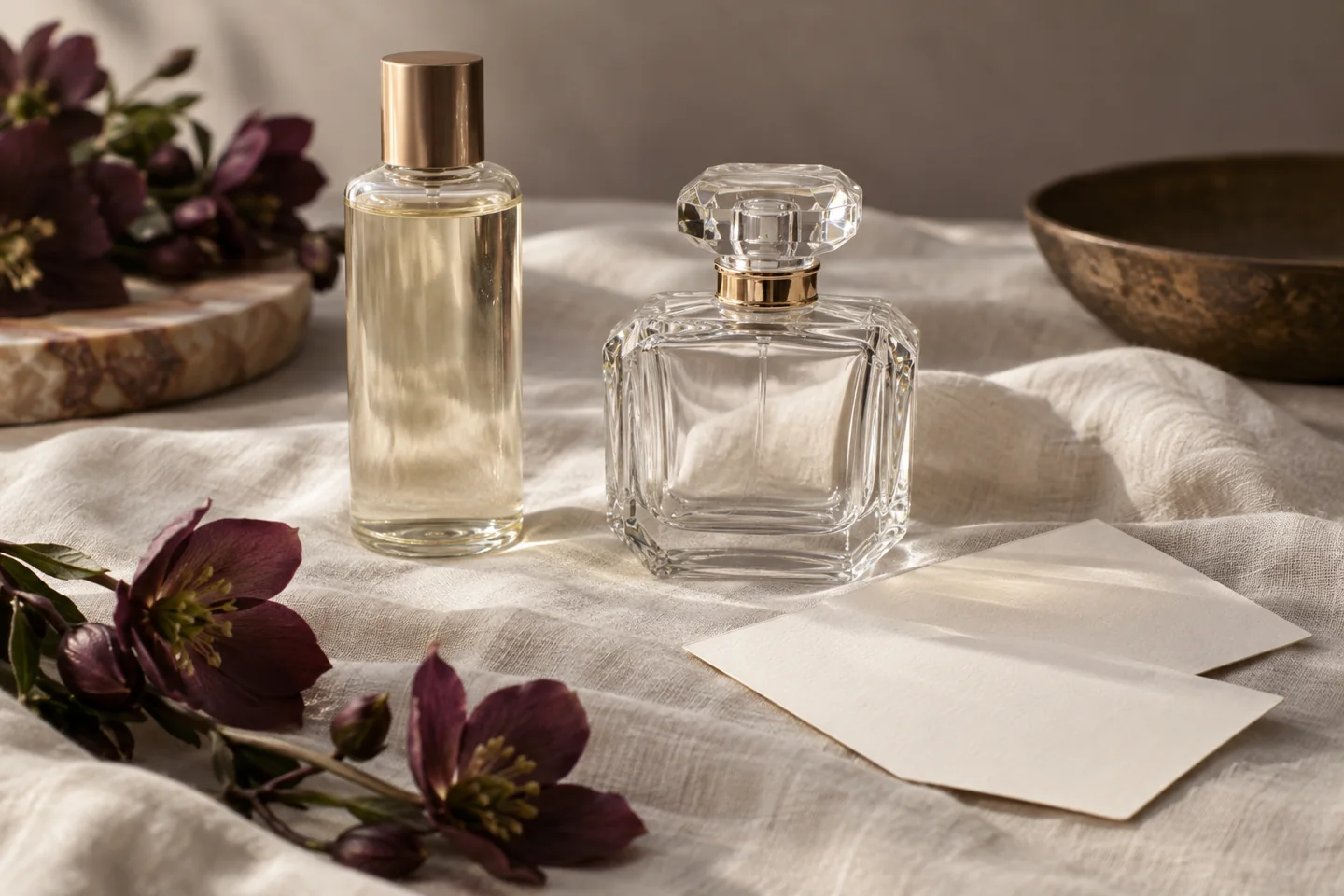
A bottle can stay on your shelf while the liquid inside changes through use and refilling. A collection record becomes more useful when it can describe that history without pretending the object has remained untouched. Treat a refill as a documented event, rather than a detail to erase from the story.
Check compatibility before the story
Dior’s current US Sauvage Eau de Toilette refill instructions limit compatibility to specified 1 oz and 3.4 oz bottles carrying the refillable marking. This is a product-specific instruction checked October 26, 2026. It is not permission to refill another concentration, another bottle or an independent inspired product. Always follow the actual current maker’s instructions for your item.
The example shows why a family name is not enough for an archive entry. Keep the precise product identity, format and any relevant bottle marking. Avoid making a general compatibility rule from a single current listing, especially for an older object whose construction you have not established.
Add a dated event, not a new origin
A basic record can have separate fields for the original bottle, the refill product and the date of the refill. Keep a receipt or official reference when available. If you do not know a detail, record “unknown” rather than calculating an origin from packaging style or memory.
An invented entry might say: “Original bottle acquired earlier; compatible refill added October 26; refill reference and receipt stored separately.” It describes what happened without claiming the remaining contents are factory-original or assigning an unsupported production date.
Preserve the evidence that matters
A photograph of the bottle before and after a legitimate refill can help your own record, but a photograph alone does not establish authenticity. Do not interpret a neat label, familiar cap or product code as proof beyond what it can support. Keep seller statements attributed and distinguish them from independently documented facts.
If you later describe the object to another person, disclose the refill history clearly. A record is most useful when it prevents a misunderstanding, whether the bottle is a favorite in daily use or simply an object you intend to keep. No resale value or appreciation follows from maintaining a careful file.
You can apply the same habit to an independent inspired fragrance, using that product’s actual instructions and identity. Do not transfer the designer brand’s compatibility or history to it. The practical aim is a collection you understand: what the object is, what has happened to it and which parts of the account are still uncertain.
Keeping a bottle does not require freezing its history. Accurate updates can make a well-used object more meaningful, provided use and provenance remain separate questions.
Source and editorial note
Dior US: Sauvage Eau de Toilette Refill. Current US compatibility instructions; no new launch date asserted. Checked October 26, 2026. Brand descriptions and supplier statements are attributed, not personal wear tests. The image is an original conceptual illustration, not a photograph of the discussed brand or a product supplied by the store.
A Fragrentis editorial publication. Editorial policy and disclosure.