Record the Holiday Case Separately from the Fragrance Inside
A current Dior presentation shows why packaging edition and scent identity deserve separate archive fields.
Published 2026-10-16 · Fragrentis editorial team2 min read
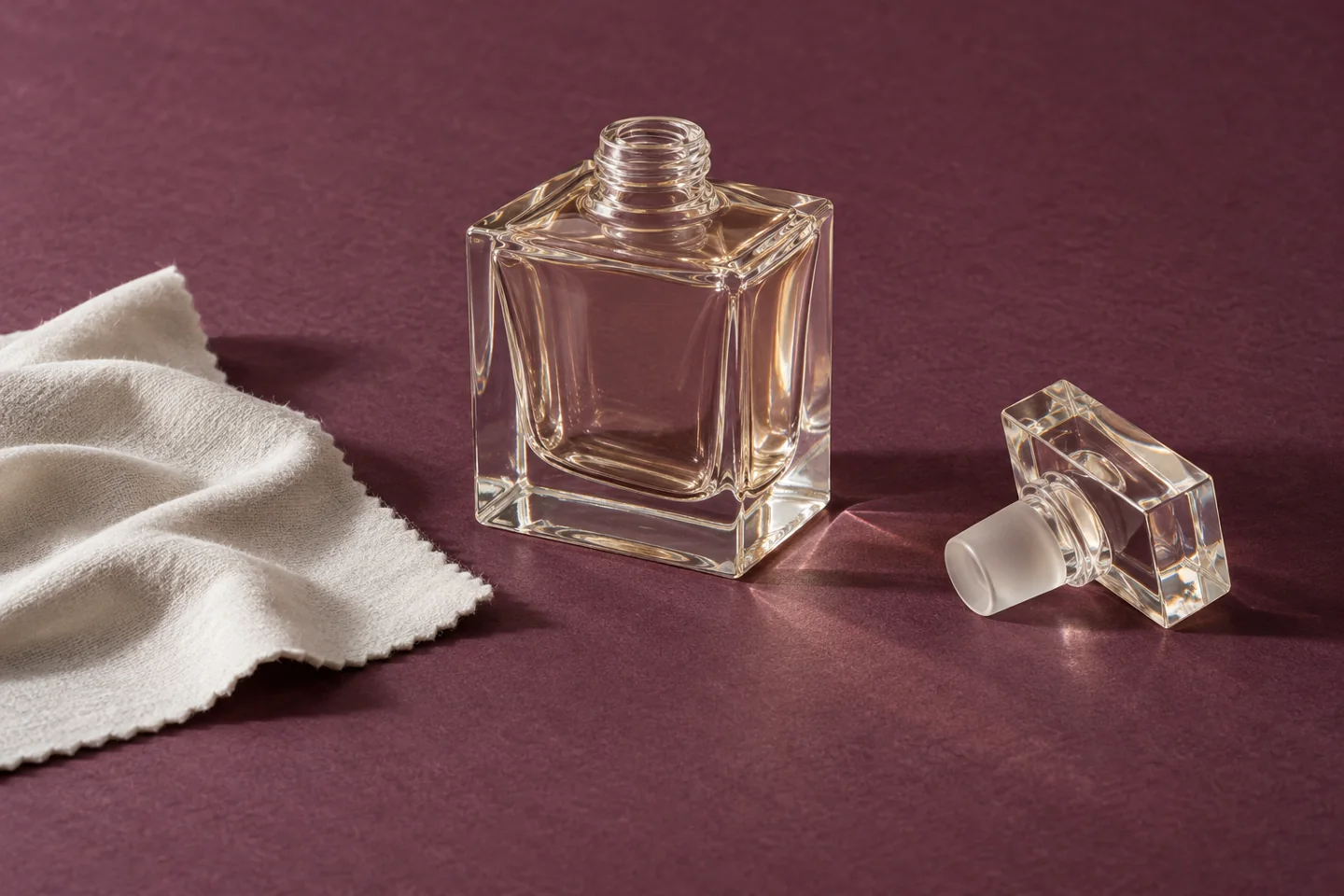
A holiday case can be the part of a fragrance purchase you remember most clearly. Months later, that memory can quietly become a claim that the liquid itself was a different edition. Keep the packaging record separate from the fragrance record from the beginning.
One current example
Dior’s official US listing for Sauvage Extrait Holiday Gift 2026 Edition describes a midnight-blue case with silver decoration and a Dior medallion. Checked October 16, 2026, the page identifies both a fragrance and a seasonal presentation. It does not, by itself, establish that the holiday liquid differs from the regular fragrance of the same exact name and format.
That distinction is useful even if you never buy this edition. Presentation, bottle design, volume and composition are different attributes. A change in one is not evidence of a change in all four.
Give the archive two connected entries
For the fragrance, record the full printed name, format, volume and any legible identifiers on the object. For the case, record the stated edition, visible design and whether it came with that bottle when you acquired it. Link the two records rather than merging their descriptions.
Photograph the bottle, cap, base and outer case separately. Include a view of the contents together so the original arrangement is documented. Preserve the receipt privately if available; it need not become part of a public collection post.
If the pairing was assembled later, say so. If you only have a seller’s statement, identify it as a seller’s statement. Uncertainty belongs in the record, rather than being smoothed away by an attractive photograph.
Do not turn decoration into provenance
An official image can help identify a design feature, but it cannot authenticate the item in your hand. Matching a color or medallion is one observation. It is not a complete origin check or proof of the bottle’s contents.
Likewise, a seasonal listing marked limited does not establish a future resale price. Condition, completeness, demand and documented source can all matter to an eventual transaction, and none guarantees appreciation. A useful archive describes what you have without pretending to value it as an investment.
Keep the object usable on its own terms
Retain removable components where they can be identified and associated with the correct bottle. Do not attach speculative dates to an unmarked cap or move pieces between bottles without noting the change. A short dated note is more valuable than a tidy but misleading display.
Independent inspired fragrances have their own product identity. A designer reference used for scent comparison does not make an inspired bottle part of the original brand’s holiday release. Recording that distinction protects the collection’s story as much as recording the decorative case itself.
Sources and scope
- Dior US: Sauvage Extrait Holiday Gift 2026 Edition. Current Holiday 2026 packaging listing; exact introduction date not stated. Accessed October 16, 2026.
A Fragrentis editorial publication. Editorial policy and disclosure.