How to Start a Personal Perfume Collection
Start a collecting project with a scope, a budget and records of what is actually known.
Published 2026-10-14 · Fragrentis editorial team2 min read
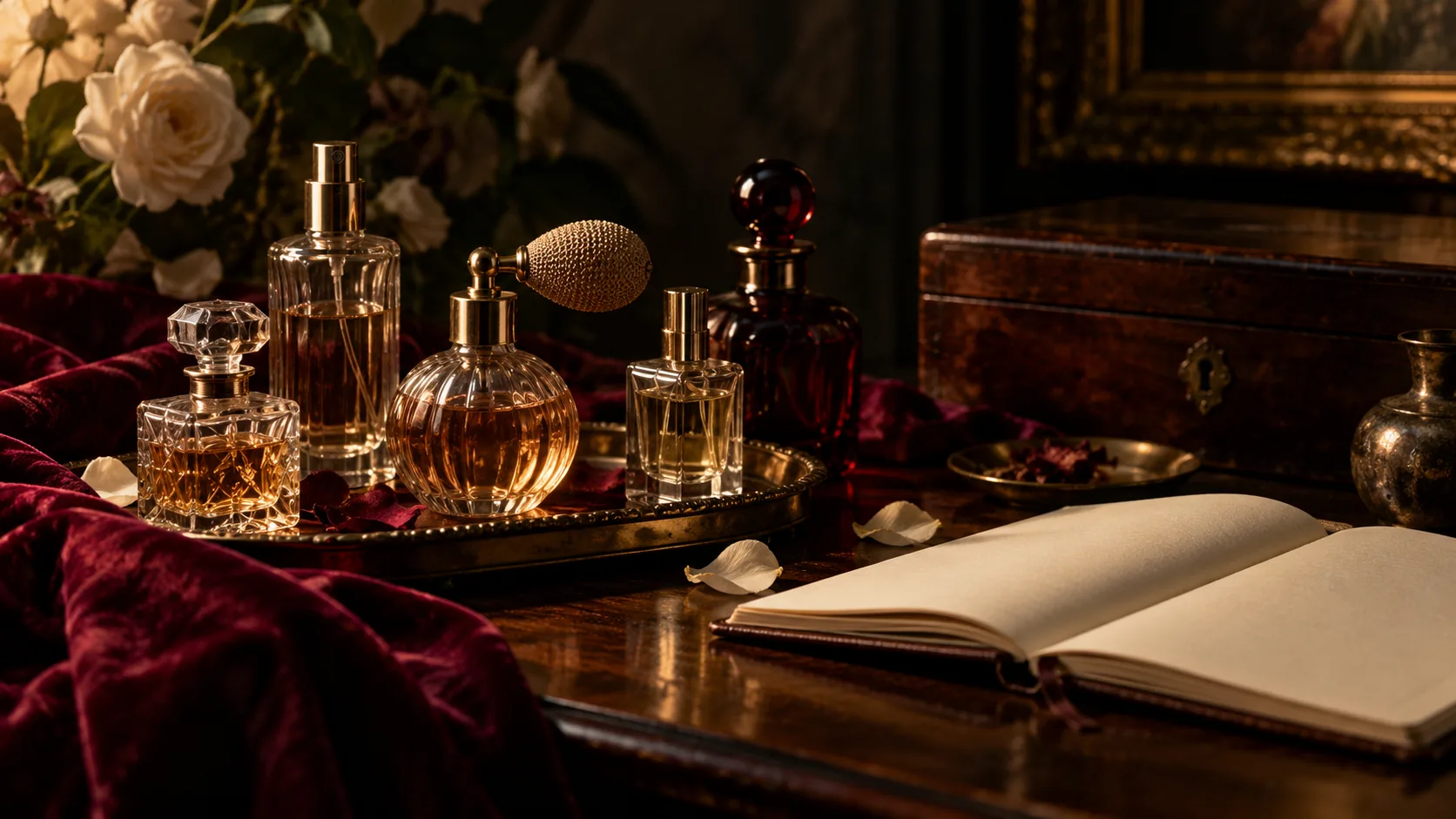
A perfume collection can begin with a question rather than a bottle count. You might be interested in a particular design period, different interpretations of one descriptive note, or the objects connected to your own memories. A clear focus gives the archive a reason to grow and makes it easier to recognize additions that do not belong.
Define what the collection records Write a short scope statement. An invented example is “bottles chosen for their contrasting glass shapes, with documented product identities.” Another is “a small record of fragrances I actually return to.” These projects need different records and different buying decisions. Neither requires owning every release in a range.
Set a spending boundary and a storage boundary separately. Having room on a shelf is not evidence that an item fits the budget, and being able to buy it does not create a suitable place to keep it. Include the records, packaging or research materials you intend to preserve, not just the displayed bottles.
Start the record with what is already known Give existing items identifiers and record their full names, versions, formats and how they entered the collection. Keep a clear distinction between information documented by a receipt or the maker and a recollection that may be approximate. Unknown details can remain unknown. Filling them with plausible guesses makes the archive less useful later.
Take straightforward reference photographs if you can do so safely. An actual photograph can record the item's condition and markings. A generated illustration cannot establish provenance or authenticity. Store private receipts separately from any public catalog, and remove personal details before sharing records.
Choose a next question, not a completion target Before adding an item, write what it would contribute that is currently missing. A new shape, a documented version, or a meaningful personal association can be a reason. A fear that the collection looks incomplete is a weaker basis for deciding what to keep. Do not assume that scarcity claims or an old-looking box establish value or authenticity.
Review the scope after a few additions. It can change, but record why it changed so the archive still tells a coherent story. A thoughtful collection is allowed to remain small. Its value comes from the choices and records you can explain, rather than an unsupported prediction of resale appreciation or the number of bottles required to call yourself a collector.
A Fragrentis editorial publication. Editorial policy and disclosure.